Introduction
The escalating military engagements involving the US, Israel, and Iran are actively redrawing the map of global logistics. For US exporters and importers, this is not just a geopolitical headline but a direct operational threat. The effective restriction of traditional maritime chokepoints is forcing a massive strategic pivot across the supply chain. At Atlantic Pacific Lines, we are closely monitoring how these disruptions are actively reshaping specific trade corridors and what it means for your cargo.
The Chokepoint Effect on Ocean Freight
The Strait of Hormuz is the most critical maritime chokepoint in the world. Recent warnings and subsequent retaliatory actions have forced major ocean carriers to suspend operations in the region entirely. Furthermore, any hopes for a large-scale return of container shipping to the Red Sea and the Suez Canal have been completely shattered.
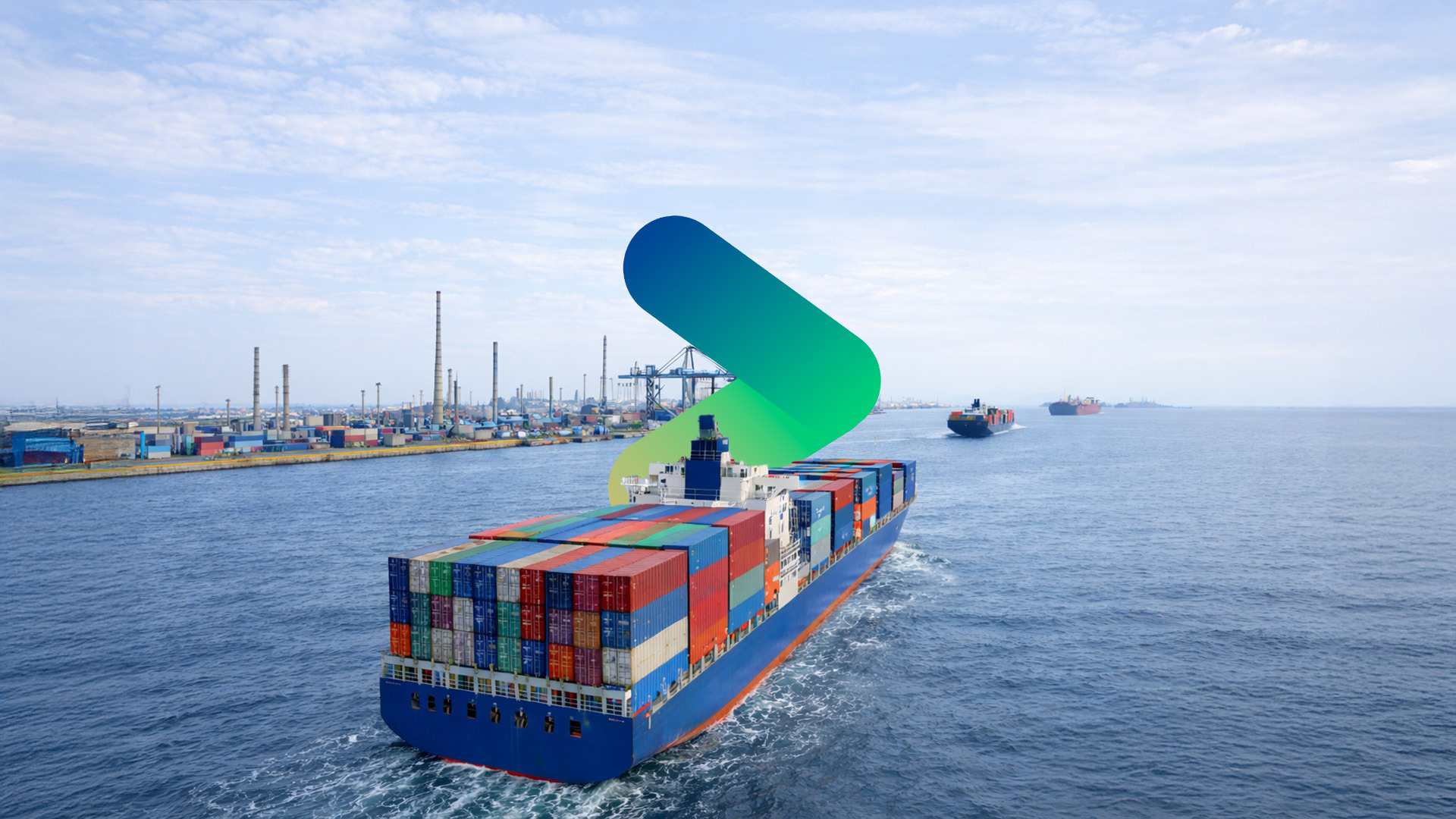
Vessels are now being forced to reroute around the Cape of Good Hope. This massive detour absorbs millions of TEUs in global vessel capacity and adds 15 to 20 days of transit time for shipments moving between Asia, the Middle East, and the US East Coast. For US businesses dealing in time-critical manufacturing components, heavy equipment, and consumer retail, this translates to severe port congestion, plummeting vessel availability, and a sharp spike in spot freight rates.
Rising Energy Costs and US Domestic Freight
The disruption extends far beyond ocean transit. The Strait of Hormuz facilitates roughly one-fifth of the daily global oil supply. The immediate constraint on petroleum and liquefied natural gas shipments is already driving up global energy prices. For the US domestic market, this means higher diesel prices, which directly inflate overland trucking and rail costs. The financial burden of moving cargo from US ports to inland destinations will increase, putting immense pressure on operational margins nationwide.
Air Cargo Bottlenecks and Capacity Crunches
Air freight has not escaped the chaos. With regional airspace heavily restricted and major airlines suspending flights to and from the Middle East, a massive backlog of air cargo is building up. US companies that rely on air transport to bypass ocean delays are finding limited capacity and skyrocketing insurance premiums. The logistics landscape requires extreme agility to secure space on alternative routes.
Impact on Critical Trade Corridors
The US to the Middle East Export Route
The Persian Gulf and Red Sea are at the epicenter of the current crisis. For US brands exporting to key markets like the UAE, Jordan, Iraq, and Libya, traditional transit expectations are entirely upended. With carriers avoiding the Strait of Hormuz due to heightened security risks, cargo must be intelligently routed through alternative regional ports and moved via complex overland networks. Securing space for specialized shipments, whether it is heavy project cargo or standard FCL, now requires extreme foresight and deeply embedded regional expertise.
The EU to India Spillover Effect
Global trade is deeply interconnected. While the conflict heavily impacts direct US routes, extreme disruptions in the vital EU to India corridor are tying up significant FCL capacity globally. US shippers must anticipate these global capacity crunches, as vessels and containers are diverted to cover the massive gaps in these heavily trafficked international lanes.
Navigating the Crisis with Atlantic Pacific Lines
During periods of severe geopolitical instability, partnering with an authoritative and highly compliant logistics provider is the only way to safeguard your supply chain. Atlantic Pacific Lines stands ready to support US brands through this unprecedented crisis. With over 30 years of specialized experience in optimizing intermodal logistics, we possess the precise expertise needed to pivot swiftly when traditional routes fail.
Our comprehensive approach ensures your cargo remains moving:
Unmatched Compliance and Security: As a fully certified NVOCC with CTPAT, ITAR, and DFARS credentials, we are uniquely equipped to handle sensitive, high-value, and defense-related US exports securely. Our strict adherence to Department of Commerce regulations guarantees your shipments meet the highest security standards even in volatile regions.
Proprietary Cargo Visibility: When shipping schedules change by the hour, blind spots are unacceptable. Our bespoke, all-in-one digital platform provides instant rate searches and live shipment updates. You receive real-time visibility into your cargo status, exact location, and adjusted estimated arrival times, keeping you firmly in control.
Agile Multimodal Solutions: Whether managing oversized project cargo, RoRo, FCL, or LCL shipments, our dedicated personnel leverage vast worldwide networks. We seamlessly integrate ocean, air, and land freight to secure the best available alternative routings, bypassing congested hubs and minimizing transit delays.
The current geopolitical landscape requires logistics strategies built on resilience and absolute precision. Atlantic Pacific Lines has an established global presence, the cutting edge technology, and deep regulatory expertise to protect your US-based operations from global disruptions. Partner with us to keep your supply chain secure, visible, and continuously moving forward.
Partner with Atlantic Pacific Lines to navigate the crisis.
Ready to protect your supply chain? Let's discuss how our compliance expertise, cargo visibility, and agile multimodal solutions can keep your US operations secure and moving.
Contact Us Today