Introduction
U.S. import customs clearance is the regulatory approval process required for goods entering the United States. The process involves documentation submission, customs entry filing, duty payment, compliance verification, and cargo release. Most shipments clear within one to two days when documentation is accurate and filed in advance. Delays typically occur due to missing documentation, incorrect classification, or regulatory agency inspections. Working with experienced logistics partners like Atlantic Pacific Lines improves compliance, reduces delays, and ensures predictable cargo movement.
Why U.S. Import Customs Clearance Matters for Global Supply Chains
U.S. import customs clearance is not just a regulatory requirement. It is a critical control point that determines:
- Cargo delivery timelines
- Supply chain continuity
- Landed cost accuracy
- Compliance risk exposure
- Customer delivery commitments
For enterprise importers, delays at U.S. customs can create cascading operational issues including demurrage, detention, storage fees, and inventory shortages.
This is why leading importers treat customs clearance as a strategic supply chain function rather than a documentation task.
Atlantic Pacific Lines supports importers with structured customs clearance coordination that prioritizes predictability, compliance, and operational control.
What Is U.S. Import Customs Clearance
U.S. import customs clearance is the process through which U.S. Customs and Border Protection reviews incoming shipments to ensure compliance with U.S. import regulations before cargo is released into the country.
The process involves:
- Documentation verification
- Product classification
- Duty calculation
- Compliance checks
- Government agency approvals
- Cargo inspection if required
Every shipment entering the United States must complete customs clearance before final delivery.
U.S. Import Customs Clearance Step by Step
-
1Pre Arrival Filing and Shipment Preparation
Customs clearance begins before cargo arrives in the United States. Import documentation must be submitted in advance to allow customs review. Key pre arrival filings include importer details submission, commercial invoice, packing list, bill of lading information, customs bond setup, and ISF filing for ocean shipments. Advance filing reduces risk and accelerates cargo release. Atlantic Pacific Lines supports importers by ensuring all documentation is validated prior to shipment arrival. -
2Importer of Record Identification
Every U.S. import shipment must have an Importer of Record. This entity is responsible for duty and tax payment, compliance with U.S. regulations, documentation accuracy, and responding to customs inquiries. The Importer of Record can be the buyer, a U.S. entity, or a third party importer. Incorrect importer information is one of the most common causes of delays. -
3Documentation Submission
Accurate documentation is essential for customs clearance. Required documents include commercial invoice, packing list, bill of lading or airway bill, importer EIN or SSN, arrival notice, and customs bond. Additional documents may include certificate of origin, product certifications, FDA approval, USDA permits, and EPA compliance documentation. Incomplete or incorrect documents significantly increase inspection risk. Atlantic Pacific Lines works closely with importers to validate documentation before customs submission. -
4Customs Entry Filing
The customs broker submits entry details electronically to U.S. Customs and Border Protection. Customs reviews product classification, country of origin, declared value, duty rates, and compliance requirements. The most common entry types include formal entry, informal entry, and immediate delivery entry. Proper classification and valuation reduce compliance risk. -
5Customs Review and Inspection
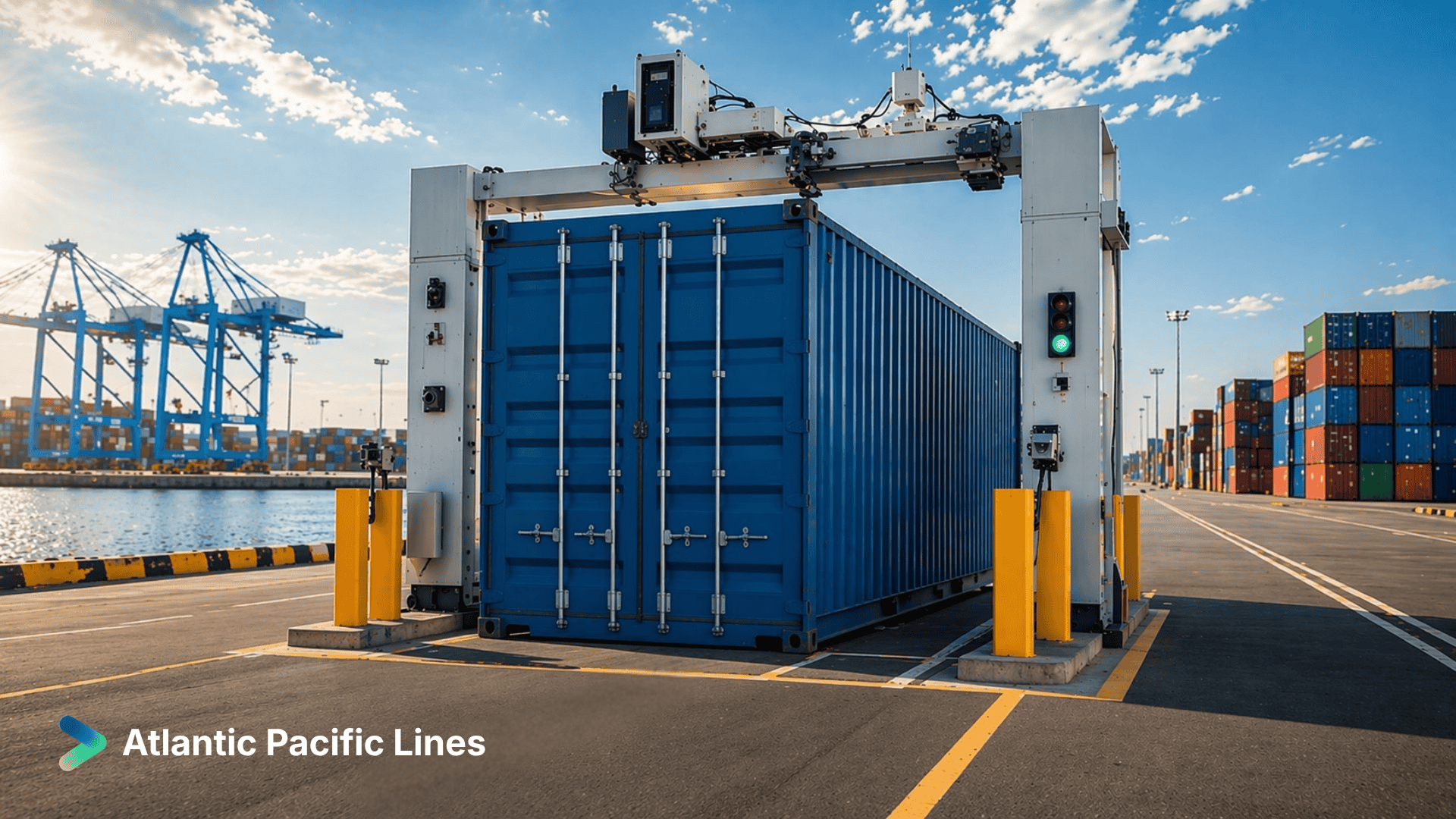
U.S. Customs may select shipments for documentation review, X-ray inspection, physical inspection, or government agency review. Inspection does not necessarily indicate a problem. It is part of risk based customs enforcement. Inspection timelines vary depending on cargo type, port congestion, and regulatory agency involvement. Atlantic Pacific Lines coordinates closely with customs brokers and terminals to minimize inspection delays. -
6Duty and Tax Payment
Once customs approves the shipment, duties and taxes must be paid. Typical charges include import duties, merchandise processing fee, harbor maintenance fee, and additional tariffs when applicable. Payment is usually handled by the customs broker, Importer of Record, or logistics partner. After payment, cargo is approved for release. -
7Cargo Release and Final Delivery
Once cleared, cargo is released to a trucking provider, warehouse, distribution center, or final destination. Release timing depends on port operations, terminal processing, and carrier release procedures. Atlantic Pacific Lines ensures coordinated cargo release and final mile delivery for import shipments.
U.S. Import Customs Clearance Timeline
| Stage | Typical Timing |
|---|---|
| Pre arrival filing | Before cargo arrival |
| Entry filing | Same day |
| Customs review | 1 to 2 days |
| Inspection (if required) | 1 to 5 days |
| Cargo release | Same day after approval |
Proper documentation reduces clearance time significantly.
Most Common Causes of U.S. Customs Clearance Delays
Understanding these issues helps importers avoid delays:
Classification & Valuation
- Incorrect product classification
- Incorrect declared value
Documentation Issues
- Missing documentation
- Missing importer details
Regulatory Reviews
- Regulatory agency review
- Customs inspection selection
Atlantic Pacific Lines proactively identifies these risks before shipment arrival.
Best Practices for Smooth U.S. Import Customs Clearance
To ensure smooth clearance:
- Submit documents early
- Work with experienced logistics partners
- Confirm product classification
- Verify invoice accuracy
- Ensure regulatory compliance
- Monitor shipment status
These practices reduce delays and improve predictability.
Why Importers Choose Atlantic Pacific Lines for U.S. Customs Clearance Support
Atlantic Pacific Lines supports importers with structured logistics coordination designed for enterprise supply chains.
Key advantages include:
- Documentation validation before shipment arrival
- Customs clearance coordination
- Multimodal import logistics management
- Real time shipment visibility
- Predictable cargo release planning
This structured approach helps importers reduce delays and maintain supply chain continuity.
U.S. Import Customs Clearance by Shipment Type
Ocean Freight Imports
Ocean freight imports require ISF filing, terminal coordination, and port clearance. Atlantic Pacific Lines supports full ocean import coordination.
Air Freight Imports
Air freight imports typically clear faster but still require entry filing, documentation validation, and duty payment.
Project Cargo Imports
Project cargo imports may require additional permits, technical documentation, and government agency approvals. Atlantic Pacific Lines manages complex project cargo clearance.
Frequently Asked Questions
- Standard shipments: 1 to 2 business days
- Shipments selected for inspection: 2 to 5 business days
- Government agency review shipments: 3 to 7 business days
- Import duty
- Merchandise Processing Fee
- Harbor Maintenance Fee
- Additional tariffs if applicable
- Document review
- X-ray inspection
- Physical cargo inspection
- Government agency inspection
- Commercial invoice
- Packing list
- Bill of lading or airway bill
- Importer of Record details
- Customs bond
- Arrival notice
Conclusion
U.S. import customs clearance is a structured process that requires planning, documentation accuracy, and operational coordination. Importers that adopt a proactive approach reduce delays, avoid compliance risks, and improve supply chain performance.
Atlantic Pacific Lines supports importers with structured customs clearance coordination designed for predictable cargo movement into the United States.
Ready to Simplify Your U.S. Customs Clearance?
Speak with an Atlantic Pacific Lines logistics specialist to streamline your import process.
Schedule a Call Today