How Real Time Cargo Tracking Improves Freight Visibility and Control for Shippers
Real time cargo tracking has moved from a basic logistics feature to a critical operating requirement for shippers. In today�s freight environment, knowing where a shipment is no longer enough. Shippers need to understand what is happening at every stage, whether a delay is developing, whether cost exposure is increasing, and what action must be taken before freight disruption affects planning, delivery, or profitability.
Poor visibility creates more than inconvenience. It creates uncertainty across operations, finance, warehousing, inventory planning, and customer communication. When shipment status is unclear, logistics teams spend time chasing updates instead of managing execution. Costs appear late. Delivery windows become uncertain. Internal pressure increases. Customers receive incomplete answers.
Strong shipment visibility closes that gap.
It gives logistics teams a clearer view of freight rates, shipment milestones, live movement status, delay risks, and cost exposure before surprises reach the invoice stage.
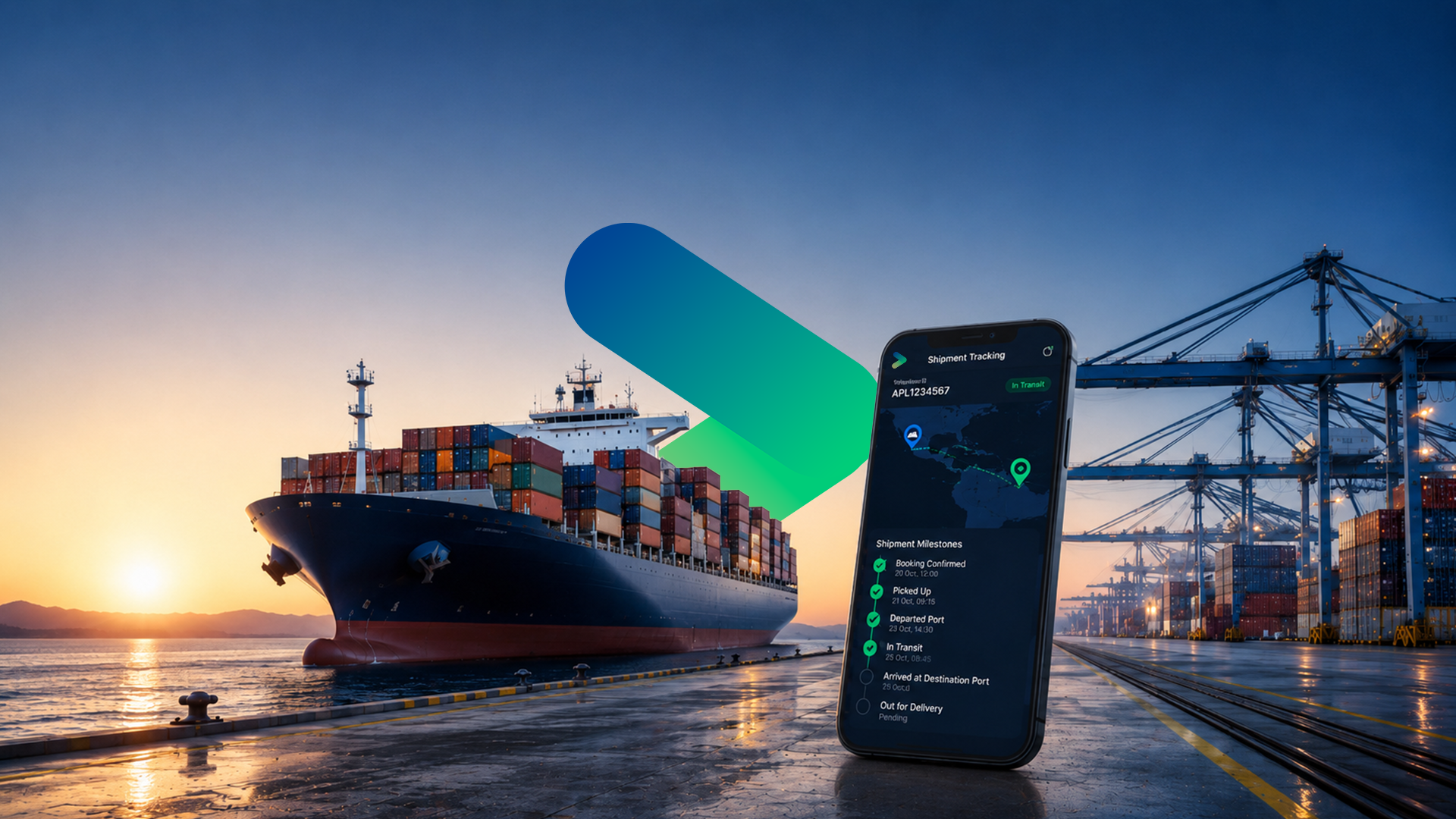
Atlantic Pacific Lines supports this need through its Digital Dashboard, which gives partners access to instant freight rates across lanes, real time milestone tracking, live shipment visibility from pickup through destination delivery, proactive alerts before delays impact operations, and cost visibility before unexpected charges escalate.
For modern shippers, visibility is no longer a supporting feature. It is the foundation of predictable freight execution.
Where Poor Shipment Visibility Starts Creating Business Risk
Most shipment problems do not begin with a dramatic failure. They begin with missing information.
A shipment status does not update on time.
A container arrives at port, but no one knows whether it is available for pickup.
A vessel schedule changes, but the warehouse team is not informed early enough.
A delay starts building at the terminal, but the shipper only learns after delivery planning is already affected.
This is how weak visibility turns normal freight movement into a chain of avoidable problems.
The shipment may still be moving, but the shipper does not have enough clarity to manage it with confidence. Operations teams start checking multiple carrier portals. Emails go back and forth. Internal teams ask for updates. Customers expect revised delivery timelines. Finance teams worry about unexpected charges. Warehouse teams adjust schedules without certainty.
The real cost of poor visibility is not only the delay itself. It is the confusion, manual effort, planning disruption, and cost exposure created before the delay is fully understood.
In freight execution, uncertainty is expensive.
Cargo Tracking vs Shipment Visibility: Why the Difference Matters
Many shippers still receive basic tracking updates from carriers or freight partners. These updates may show that a shipment departed, arrived, discharged, or delivered.
That is useful, but limited.
Basic tracking tells a shipper what happened. Real time visibility helps the shipper understand what is happening now and what may happen next.
A container may show as arrived at port, but that does not confirm whether it is cleared, available, delayed, selected for inspection, waiting on inland transfer, or ready for final delivery. A shipment may show as in transit, but that does not tell the shipper whether the ETA is still reliable.
This distinction matters because shippers do not need more disconnected updates. They need better decision support.
Real visibility should answer practical operational questions:
- Is the shipment moving as planned?
- Which milestone has been completed?
- Is any stage creating a delay risk?
- Will the delivery timeline change?
- Is cost exposure increasing?
- What action should be taken next?
This is where Atlantic Pacific Lines� approach becomes important. Its Digital Dashboard is not built around location tracking alone. It is built around shipment control through rate visibility, milestone tracking, live shipment status, proactive alerts, and cost clarity.
Where Visibility Breaks Down Across Shipment Movement
International freight does not move through one clean system. It moves across multiple parties, systems, handoffs, and checkpoints.
That is why visibility often breaks down between stages.
Rate and Booking Stage
Visibility should begin before the shipment moves.
Shippers need fast access to freight rates across lanes so they can compare options, plan cost, and make booking decisions without unnecessary delay. If rate visibility is slow or unclear, the shipment begins with commercial uncertainty.
Atlantic Pacific Lines� Digital Dashboard gives partners instant freight rates across lanes, helping shippers move from inquiry to decision faster.
Origin and Pickup Stage
Once a shipment is planned, visibility must confirm whether pickup, container assignment, and origin movement are progressing correctly.
If the shipper does not have clarity at this stage, every consecutive milestone becomes less reliable. Origin visibility helps logistics teams confirm whether execution is beginning as planned or whether early intervention is required.
Ocean Movement Stage
Ocean tracking is usually the most visible part of the shipment journey. Many systems can show vessel departure, transshipment, and arrival updates.
However, ocean visibility alone is not enough.
The shipper still needs to understand whether the shipment is aligned for port handling, inland movement, and final delivery. For shippers managing international ocean freight, visibility after port arrival is just as important as visibility at sea. Atlantic Pacific Lines supports this need through structured ocean freight services that connect movement planning with clearer shipment execution.
Port and Terminal Stage
This is where many visibility gaps become costly.
A vessel arrival does not mean the cargo is ready. A container may be discharged but not released. It may be under review. It may be waiting for terminal availability, chassis, pickup scheduling, or inland transfer.
A basic tracking system may show arrived.
A strong visibility system should show what is happening operationally.
This is why milestone tracking matters. It gives shippers a structured view of progress instead of leaving them to interpret isolated status updates.
Inland Movement Stage
After port arrival, visibility often becomes weaker because the shipment may move through rail, drayage, trucking, inland terminals, or final delivery partners.
This stage is highly sensitive because delivery commitments are now close. If inland visibility is fragmented, the shipper may not know whether the shipment is still on schedule until it is too late to adjust.
Atlantic Pacific Lines� live shipment visibility from pickup through destination delivery helps reduce this blind spot by giving partners a clearer view across the full shipment lifecycle.
Final Delivery and Cost Closure
A shipment is not fully controlled until delivery is completed and cost exposure is understood.
Unexpected charges often appear when visibility is weak during the movement. Detention, storage, rebooking, waiting time, or missed appointment costs can erode margin quickly.
This is why cost visibility before surprises hit is a serious advantage. It helps shippers identify risk before the invoice becomes the first clear signal that something went wrong.
What Strong Freight Visibility Should Provide
Good visibility is not simply a dashboard. It is an operating layer that helps shippers make better decisions.
A strong cargo visibility environment should provide:
- Clear rate access before booking
- Real time milestone tracking during execution
- Live shipment visibility across movement stages
- Proactive alerts when delays begin forming
- Cost visibility before charges escalate
- One reliable place to understand shipment status
The difference is important.
A weak system tells the shipper where the cargo was last reported.
A strong system helps the shipper understand whether the shipment is still under control.
Atlantic Pacific Lines� Digital Dashboard reflects this stronger model. It gives partners access to instant freight rates, real time milestone tracking, live shipment visibility, proactive alerts, and cost visibility in a way that supports faster decisions and more predictable execution.
That is the kind of visibility shippers need when freight movement affects inventory, cash flow, warehouse planning, and customer commitments.
The Business Impact of Better Shipment Visibility
Better Planning Accuracy
When shipment timing is unclear, planning teams must operate with buffers. They hold extra inventory, reschedule warehouse labor, delay customer commitments, or make conservative decisions because they do not trust the shipment timeline.
Real time visibility reduces planning uncertainty.
When teams can see milestone progress and live shipment status, they can plan based on actual movement rather than assumptions.
Stronger Cost Control
Freight cost is not only determined at the quoting stage. Execution also affects cost.
A shipment may be quoted correctly but still become expensive because of terminal delays, missed pickup windows, storage charges, detention exposure, or last-minute recovery action.
Visibility helps protect cost discipline by showing risk earlier.
Atlantic Pacific Lines� focus on cost visibility before surprises hit directly supports this need. Shippers are not only trying to move cargo. They are trying to protect landed cost accuracy.
Faster Exception Management
Delays are part of freight movement. The issue is not whether exceptions happen. The issue is how quickly teams identify and respond to them.
Without proactive alerts, teams often discover exceptions after impact has already started.
With proactive alerts, shippers can adjust transportation planning, warehouse schedules, internal communication, and customer expectations earlier.
The value is not only information. The value is time to act.
Less Manual Follow-Up
Poor visibility turns logistics teams into manual tracking departments.
They check portals. They send emails. They call providers. They update spreadsheets. They answer repeated internal questions.
This drains time and creates frustration.
A centralized visibility dashboard reduces unnecessary follow-up by giving teams one clearer operating view.
This is where visibility also improves the daily working reality of logistics teams. It reduces stress, uncertainty, and repeated escalation.
Clearer Customer Communication
Customers do not expect every shipment to move perfectly. They do expect clear communication.
When visibility is weak, teams are forced into vague updates.
When visibility is strong, teams can explain status, timing, risk, and next steps with more confidence.
That clarity protects trust, especially when freight conditions are difficult.
Why Shipment Visibility Has Become a Core Requirement for Shippers
Modern supply chains have less tolerance for uncertainty.
Inventory windows are tighter. Customers expect better updates. Finance teams need cost predictability. Warehouses need accurate scheduling. Logistics teams are expected to manage disruption before it spreads.
In this environment, partial tracking is no longer enough.
Shippers need visibility that supports business decisions, not just shipment monitoring.
The most capable freight partners are no longer judged only by whether they can move cargo. They are judged by whether they can help shippers maintain control across the shipment lifecycle.
Atlantic Pacific Lines is aligned with this expectation through a visibility model that connects rate access, milestone tracking, shipment status, proactive alerts, and cost awareness.
The result is not just better tracking.
It is stronger execution control.
How Shippers Should Evaluate a Visibility Focused Freight Partner
Before choosing a freight partner, shippers should ask deeper questions about visibility.
Can we access freight rates quickly across relevant lanes?
Can we track shipment milestones in real time?
Can we see what is happening beyond basic location updates?
Will we receive proactive alerts before delays impact operations?
Can we understand cost exposure before invoice surprises appear?
Does the system reduce manual follow-ups?
Does the visibility support better decisions across planning, operations, and finance?
If the answer is unclear, the shipper may not have true visibility. They may only have basic tracking.
That difference matters.
Basic tracking supports awareness.
True visibility supports control.
Expert Insight
The future of freight visibility is not about showing more data. It is about helping shippers make better decisions earlier.
A shipper does not only need to know where the cargo is. They need to know whether the shipment is progressing correctly, whether risk is developing, whether cost exposure is increasing, and whether action is required.
That is why real time cargo tracking has become a core part of modern freight execution.
Atlantic Pacific Lines� Digital Dashboard supports this direction by giving partners instant freight rates across lanes, real time milestone tracking, live shipment visibility from pickup through destination delivery, proactive alerts before delays impact operations, and cost visibility before surprises hit.
For shippers looking to reduce uncertainty across transport movement, visibility is not an optional technology layer.
It is the difference between reacting to freight problems and managing shipment execution with control.