Cold Chain Logistics.
No Excuses at Any Port.
Atlantic Pacific Lines moves food, fresh produce, perishables, and cut flowers under continuous temperature control, with Pre-Trip Inspection required before any reefer container is stuffed and reefer plug allocation confirmed at every transshipment port before sailing. HACCP and FSMA food-grade documentation is standard on every booking, with GDP pharmaceutical capability available where required.
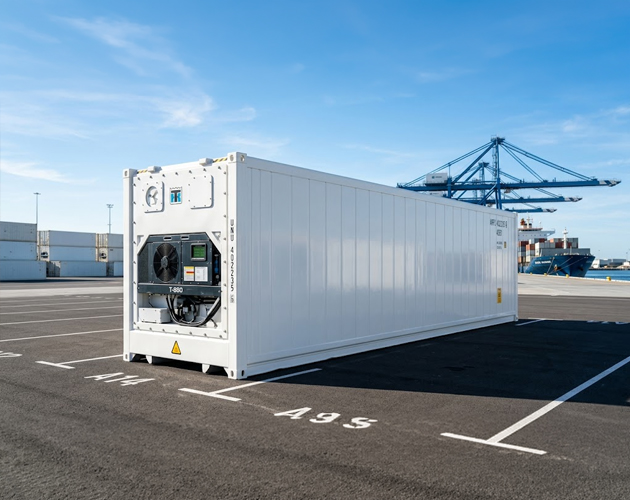
Reefer Control
Data-Logged Delivery
Required Before Stuffing
From Pre-Trip Inspection to Destination Data Log.
Atlantic Pacific Lines manages the cold chain from PTI verification at origin through temperature data log delivery at destination. Every checkpoint between those two points is owned by APL, not delegated to the carrier.
- Pre-Trip Inspection certificate required before any reefer container is accepted for stuffing
- HACCP and FSMA Sanitary Transportation documentation for regulated food product shipments
- Reefer plug allocation confirmed in writing at all transshipment ports before sailing is accepted
- GDP pharmaceutical documentation including carrier qualification and temperature compliance certificates
- Full temperature data log retrieved at destination for compliance and insurance documentation
The Checkpoints That Prevent Temperature Claims.
APL's cold chain process is built around the operational checkpoints that prevent excursion claims, not the paperwork that follows them.
Request a Quote TodayBefore any container is stuffed
Full chain from booking to delivery
Including transshipment hubs
For compliance and claims evidence
Atlantic Pacific Lines does not accept sailings on transshipment routings without written plug confirmation at every hub port
Six Controls That Keep Your Reefer Cargo Intact.
Every control below is standard on every reefer booking at Atlantic Pacific Lines, not a premium service tier.
Pre-Trip Inspection Required
A PTI certificate confirming compressor function, probe calibration, and door gasket integrity is required before container acceptance.
Setpoint Confirmed in Writing
Required temperature setpoint is confirmed with the carrier in writing before equipment is released for loading.
Transshipment Plug Allocation
Written plug confirmation at every transshipment hub is secured before sailing is accepted, regardless of routing cost.
GDP Pharmaceutical Documentation
APL prepares the complete GDP package, including carrier qualification, logger placement protocol, and compliance certificate.
HACCP and FSMA Food-Grade
Sanitary Transportation documentation, carrier qualification, and sanitization certification are standard for food cargo.
Full Temperature Data Log
Logger placement inside the cargo is specified, download intervals confirmed, and the full thermal record delivered at the destination.
Pharmaceutical and Life Sciences Cold Chain by Air and Ocean
Atlantic Pacific Lines manages pharmaceutical cold chain under WHO GDP and FDA 21 CFR guidelines by ocean, and through APL's IATA-certified air freight division for time-critical pharmaceutical shipments requiring temperature-controlled ULD management.
Request Your Reefer Cargo Quote
Share your commodity, temperature requirements, and destination with Atlantic Pacific Lines for a reefer rate and cold chain compliance plan.

Answers to Common Refrigerated Cargo Questions
Questions food importers, pharmaceutical companies, and cold chain shippers ask about reefer freight with Atlantic Pacific Lines.
Still have questions?
APL's cold chain specialists are available to walk through PTI requirements, GDP documentation standards, and transshipment plug coordination for your route.
Talk to a Specialist