DISTRIBUTION AND WAREHOUSING

Ocean Container to
Market, Faster.

Atlantic Pacific Lines transloads ocean containers into domestic trailers & flatbed with every unit scan-counted, labeled to FBA or retailer specification, and ASN generated from actual counts before any outbound load departs.
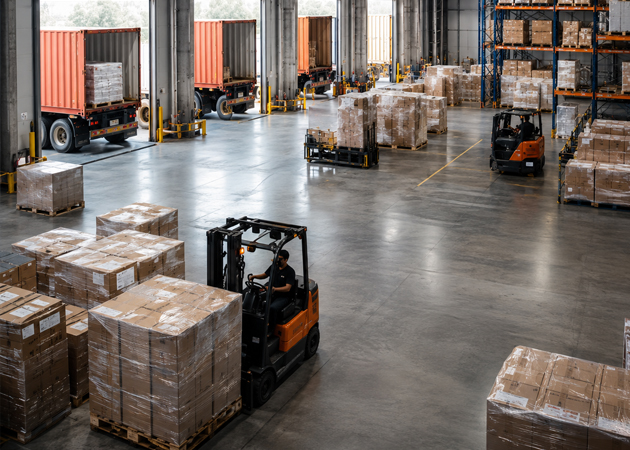
Transload warehousing operations

Photo Evidence

Every Transload
Transload
Piece-Count Verified Cross-Dock Bonded Warehouse Container Devanning Repackaging LTL Distribution FNSKU Labels GS1-128 SSCC-18 EDI 856 ASN Piece-Count Verified Cross-Dock Bonded Warehouse Container Devanning Palletizing
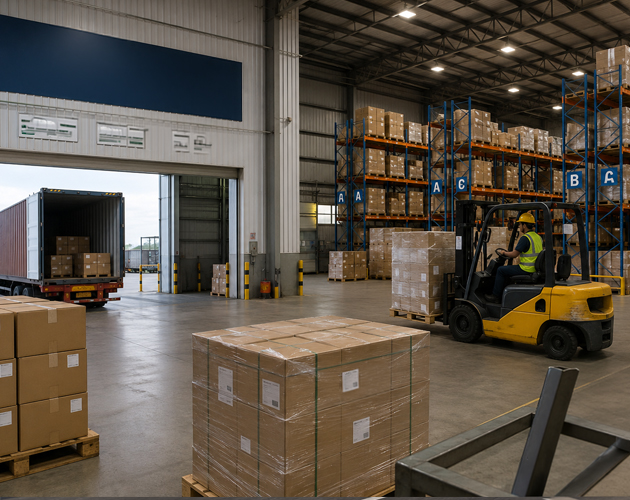
Container transloading operations
100%

Units Scan Counted

About Transloading

Scanned. Labeled. Counted. Then Shipped.

Atlantic Pacific Lines verifies every unit against the shipment plan before any outbound load is confirmed, generating EDI ASNs from actual scan data rather than from inbound ocean packing lists.

  • Every unit physically counted and scanned against the outbound shipment plan before loading
  • EDI 856 ASN generated from physical scan counts, not from the ocean packing list
  • Photographic documentation from container opening through completed outbound pallet
  • Discrepancies documented immediately with carrier notation to preserve cargo claim evidence
  • Count verification completed before outbound load confirmation
FNSKU Labels GS1-128 SSCC-18 EDI 856 ASN Cross-Dock
Transload by the Numbers

What Accurate Counting Prevents at Every Retailer.

Every metric below represents a real failure that APL's scan-verified transload process catches before cargo reaches the fulfillment center or retail distribution dock.

Request a Transload Quote
0%
Units Scan-Verified
Before any outbound load departs
Scan
Based EDI 856 ASN
Not generated from packing list data
Photo
Documentation Every Move
Container open to outbound wrap
Same
Day Cross-Dock Available
For high-velocity import programs
Why APL for Transloading

Six Transload Capabilities That Protect Your Retail Compliance

Accuracy at the transload dock prevents chargebacks, removal orders, and rework that cost far more than the transload itself.

Count Accuracy

Every Unit Scanned, Not Spot-Checked. Atlantic Pacific Lines scans every individual unit against the outbound shipment plan during transloading. This is not a spot-check or carton-level count. Discrepancies are documented immediately with carrier notation so the cargo claim evidence chain is preserved. Ocean packing lists frequently contain errors that only a full unit scan at transload will detect. Unit-level verification, not carton-only.

Label Compliance

GS1-128, FNSKU, and SSCC-18 Applied and Verified. APL applies and scans GS1-128 case labels, FNSKU labels, and SSCC-18 pallet labels for Amazon and major retail trading partner compliance. Labels are verified against the outbound ASN before any pallet is wrapped for shipment. A barcode that does not scan at the retailer dock triggers an ASN discrepancy that APL catches before the pallet leaves the facility. Verified before pallet wrap.

ASN Accuracy

EDI 856 Built From Scan Data, Not Packing List. Atlantic Pacific Lines generates EDI 856 ASNs from the actual unit counts recorded at transload, not from the inbound ocean packing list. Ocean packing lists are prepared at origin before cargo is sealed into containers. By the time it reaches the transload dock, quantities may differ. Building the ASN from the packing list propagates those errors to your retail trading partner. Scan-to-ASN accuracy.

Velocity

Same-Day Cross-Dock for Fast-Moving Programs. For high-velocity import programs where storage cost elimination is the priority, APL provides cross-dock service transferring cargo from inbound ocean containers directly to outbound domestic trailers within 24 hours. Cross-dock maintains the full benefit of domestic trailer distribution without warehouse storage fees accumulating on fast-turning inventory. Ocean container to outbound in 24 hours.

Duty Management

Bonded Warehousing for High-Duty Imports. Atlantic Pacific Lines works with CBP-bonded warehouse operators to defer duty payment on imports with high duty rates or uncertain sell-through timing. Bonded storage allows goods to remain in-bond until entered for domestic consumption, re-exported, or transferred to another bonded facility, preserving cash flow until the importer decides on disposition. Duty deferral on qualifying imports.

Start Your Transload

Your Container Arrives. Market-Ready Cargo Departs. Share your import volume, destination requirements, and any FBA or retailer specs with Atlantic Pacific Lines for a complete transload cost plan.
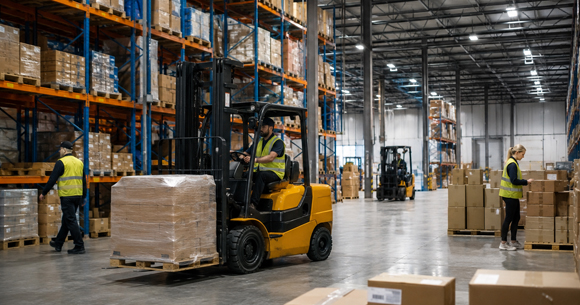
Market-Ready Distribution Built From Verified Counts

Every shipment is scanned, labeled, and ASN-matched before outbound dispatch so retailer and FBA receiving events align with what physically ships from the transload facility.

Start Your Transload

Your Container Arrives. Market-Ready Cargo Departs.

Share your import volume, destination requirements, and any FBA or retailer specs with Atlantic Pacific Lines for a complete transload cost plan.

Unit-level scan verification Response within 24 hours No commitment required
Global Presence: Connecting Continents Through Seamless Shipments.
FAQ

Transloading Questions Atlantic Pacific Lines Answers

Questions importers ask about FBA compliance, ASN accuracy, cross-docking, and bonded warehousing with Atlantic Pacific Lines.

Still have questions?

APL's warehouse team walks through FBA specifications, EDI requirements, and cross-dock timing for any import program and commodity type.

Talk to a Warehouse Specialist

What is transloading and when should importers use it? +
Transloading transfers cargo from ocean containers into domestic 53ft trailers or smaller vehicles for distribution. Atlantic Pacific Lines recommends transloading when importers need multi-destination distribution from a single container arrival, need to relabel and palletize cargo to FBA or retailer specifications before shipment, or need to return the ocean container quickly to avoid accumulating detention fees at the destination facility.
How does APL ensure Amazon FBA compliance at the transload dock? +
Atlantic Pacific Lines applies FNSKU barcodes in Amazon's required 4-side scannable orientation, palletizes to FBA height and weight specifications, and generates the EDI 856 ASN from scan-verified unit counts matched to the Seller Central shipment plan. Every label is scanned against the ASN before the pallet is wrapped. Errors at FBA receiving create removal orders and disposal costs that APL prevents before the cargo ships.
Why does APL generate the EDI 856 ASN from scan counts instead of the ocean packing list? +
Ocean packing lists are generated at origin before cargo is loaded and sealed. Short-shipped cartons, mislabeled units, and quantity discrepancies are common but not reflected in the packing list. If the ASN is generated from packing list data and the actual count differs, the retailer receives a discrepant ASN and issues chargebacks. APL scans every unit and builds the ASN from the physical count to prevent this.
What is cross-docking and how is it different from standard transloading? +
Standard transloading may include interim storage, labeling, palletizing, and value-added services before outbound shipment. Cross-docking moves cargo directly from inbound ocean containers to outbound trailers within 24 hours without storage. Atlantic Pacific Lines offers both. Cross-dock works best for high-velocity fast-turning goods where storage cost elimination is the primary goal.
Can Atlantic Pacific Lines arrange bonded warehousing? +
APL coordinates bonded warehousing for imports requiring duty deferral through CBP-bonded warehouse operators. Bonded storage allows goods to remain without duty payment until entered for domestic consumption, re-exported, or transferred in-bond. Atlantic Pacific Lines manages bonded placement and CBP-compliant withdrawal documentation as part of the customs clearance service.
What value-added services does Atlantic Pacific Lines offer at the transload facility? +
Atlantic Pacific Lines provides palletizing to retailer or Amazon FBA specifications, FNSKU and GS1-128 case label application, SSCC-18 pallet label application for EDI trading partner compliance, repackaging and re-boxing for damaged goods or changed distribution requirements, poly-bagging for consumer-direct shipments, photographic damage documentation at container opening, and packing list verification against physical piece count at unloading. Services are confirmed before the transload based on commodity type, volume, and facility capability.
What value-added services does Atlantic Pacific Lines offer at the transload facility? +
Atlantic Pacific Lines provides palletizing to retailer or Amazon FBA specifications, FNSKU and GS1-128 case label application, SSCC-18 pallet label application for EDI trading partner compliance, repackaging and re-boxing for damaged goods or distribution requirement changes, poly-bagging for consumer-direct shipments, kitting and assembly for bundled product configurations, photographic damage documentation at container opening, and packing list verification against physical count at unloading. All services are confirmed before the transload based on commodity type, volume, facility capability, and lead time. Not all services are available at all facilities, and Atlantic Pacific Lines confirms availability during the quoting stage.