PORT AND INTERMODAL DRAYAGE

Port to Door.
Without the Wait.

Atlantic Pacific Lines coordinates port drayage as part of every ocean freight booking, with chassis confirmed and terminal appointments secured before your vessel arrives at the U.S. port.

All Major U.S. Ports
BNSF / UP / CSX / NS
FMC Licensed NVOCC
0
Years Experience
All
Major U.S. Ports
0
On-Time Pickup
0
Container Monitoring
Drayage
Port Drayage Container Pickup Last-Mile Delivery Chassis Sourcing Terminal Appointments NYNJ Drayage LA Drayage Savannah Drayage Rail Ramp Drayage BNSF Ramp Per-Diem Prevention HAZMAT Drayage Reefer Drayage Integrated Ocean Port Drayage Container Pickup Last-Mile Delivery Chassis Sourcing Terminal Appointments NYNJ Drayage LA Drayage Savannah Drayage Rail Ramp Drayage BNSF Ramp Per-Diem Prevention HAZMAT Drayage Reefer Drayage Integrated Ocean
About Port Drayage

Chassis Confirmed Before Dispatch. Appointments Booked Before Arrival.

Atlantic Pacific Lines treats drayage as an integrated part of ocean freight, not a separate arrangement made after the container is discharged. Planning starts at booking confirmation.

  • Terminal gate appointments booked before vessel arrival at all major U.S. marine terminals
  • Chassis confirmed from DCLI, TRAC, Flexi-Van, and gray pool before every truck dispatch
  • Container discharge monitoring from vessel ETA through terminal availability notification
  • HAZMAT drayage with HAZMAT-endorsed CDL drivers and route-compliant dispatch for DG containers
  • Rail ramp drayage from BNSF, UP, CSX, and Norfolk Southern with 24-hour pickup scheduling
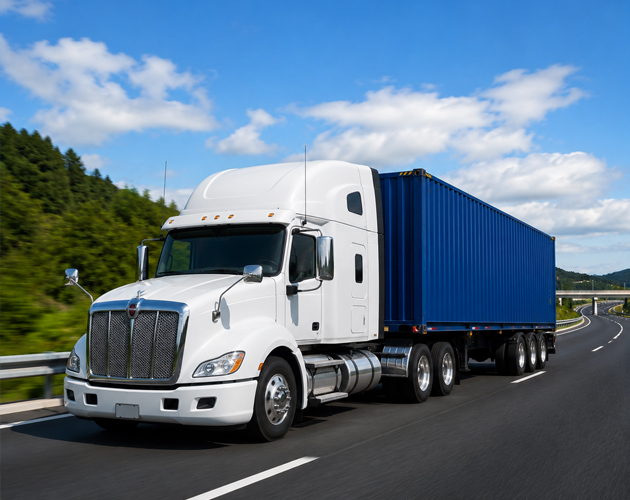
Port Drayage Rail Ramp Chassis Confirmed HAZMAT Drayage Reefer Drayage Integrated Ocean
Port and Intermodal Drayage — Atlantic Pacific Lines
Pre-Arrival

Planning starts before vessel arrival

Drayage by the Numbers

Pre-Arrival Coordination on Every Container.

APL's drayage performance is built on coordination that begins before the vessel reaches port, not on reactive scrambling after the container has been sitting at the terminal.

Request a Drayage Quote
0+
Years Integrated Ocean Drayage
Coordinated bookings since 1995
All Ports
Major U.S. Marine Terminals:
NYNJ, LA, LGB, SAV, HOU, BAL
0 Ramps
Class I Intermodal Ramps
BNSF, UP, CSX, Norfolk Southern
0%
On-Time Pickup Performance
Consistent across all port markets
Why APL for Drayage

Six Drayage Disciplines That Keep Every Container Moving

Each discipline below is applied on every Atlantic Pacific Lines drayage move as standard, not as an upgrade.

01
Integration

Drayage Coordination Starts at Ocean Booking

When Atlantic Pacific Lines books your ocean freight, drayage is initiated in parallel. APL tracks vessel ETA, monitors container discharge, and pre-books terminal appointments before free time starts counting. The communication gap between ocean forwarder and drayage carrier does not exist because both are managed under the same APL account.

Single account, no handoffs
02
Appointments

Gate Appointments Secured Before Free Time Begins

APL books terminal appointments through port-specific scheduling systems as soon as vessel arrival is confirmed. During peak periods, available appointment slots disappear within hours of vessel discharge. Pre-booking before discharge means APL's clients have confirmed appointments while other importers compete for what remains.

Booked before container discharge
03
Equipment

Chassis Confirmed From Verified Pool Before Every Dispatch

APL confirms chassis from DCLI, TRAC, Flexi-Van, or gray pool before any drayage truck rolls toward the terminal. A truck that arrives at a terminal gate without a confirmed chassis turns a same-day pickup into a next-day pickup and per-diem that could have been prevented. APL eliminates this through pre-dispatch chassis confirmation every time.

DCLI / TRAC / Flexi-Van / Gray Pool
04
Intermodal

Rail Ramp Pickups Within 24 Hours of Availability

BNSF, Union Pacific, CSX, and Norfolk Southern intermodal ramp free time is typically 48 hours. APL schedules ramp pickup within the first 24 hours of container availability, maintaining buffer against equipment or scheduling delays. Demurrage at rail ramps accumulates faster than at marine terminals and APL manages it proactively.

All Class I ramps covered
05
Specialist Moves

HAZMAT and Reefer Container Drayage

DG containers need HAZMAT-endorsed CDL drivers, properly placarded vehicles, and route compliance with state restrictions. Reefer containers need confirmed plug availability during terminal dwell. Atlantic Pacific Lines coordinates both from carriers qualified for each requirement, confirmed before the truck departs for the terminal.

Qualified carriers for every cargo type
06
Tracking

Status Updates From Discharge Through Delivery

APL provides container availability alerts, appointment confirmation, pickup confirmation, and delivery notification through its platform. Importers and consignees receive every milestone update without independently calling the terminal, the drayage carrier, or the port at any point during the move.

Live container status access
Move Your Container

Drayage Planned Before Your Vessel Arrives.

Tell Atlantic Pacific Lines your container details, port of arrival, and destination for an integrated drayage plan and rate within 24 hours.
Chassis pre-confirmed before dispatch Response within 24 hours No commitment required
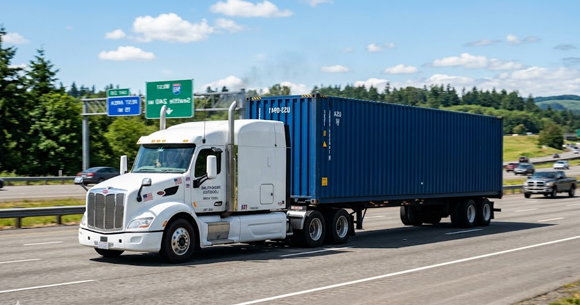
Port drayage container operations
FAQ

Port Drayage Questions Atlantic Pacific Lines Answers

Questions importers ask about container pickup, per-diem prevention, chassis sourcing, and rail ramp coordination with APL.

Still have questions?

APL's drayage team walks through port appointments, chassis sourcing, and rail ramp scheduling for your specific container and port.

Talk to a Drayage Specialist

What is port drayage and what does the service include? +
Port drayage is the movement of a shipping container between a marine terminal or rail ramp and a shipper or consignee facility. Atlantic Pacific Lines manages drayage as an integrated part of its ocean freight service: chassis sourcing, terminal appointment booking, container pickup, and last-mile delivery coordination are all handled under the same account relationship without a separate vendor or handoff.
How does Atlantic Pacific Lines prevent per-diem accumulation? +
Per-diem accumulates when containers remain at a terminal after free time expires. The root causes are unbooked appointments, unavailable chassis at dispatch, and late drayage initiation. APL books gate appointments before vessel arrival, confirms chassis before dispatch, and starts drayage coordination at booking confirmation rather than waiting for a discharge notification. All three variables that create per-diem are managed proactively.
Which U.S. ports and rail ramps does APL cover? +
Atlantic Pacific Lines provides drayage from the Port of New York and New Jersey, Los Angeles, Long Beach, Savannah, Houston, Baltimore, Charleston, Seattle, and Miami. For intermodal freight, APL covers drayage from BNSF, Union Pacific, CSX, and Norfolk Southern intermodal ramps across the continental United States.
Can APL handle HAZMAT container drayage? +
Yes. Dangerous goods containers require HAZMAT-endorsed CDL drivers, properly placarded vehicles, DG shipping papers in the cab, and route compliance with state tunnel and highway restrictions by DG class. Atlantic Pacific Lines sources HAZMAT-certified drayage carriers at all major U.S. ports and confirms routing compliance before any DG container dispatch.
How does drayage integrate with Atlantic Pacific Lines ocean freight? +
When APL manages your ocean booking, drayage planning starts immediately. APL pre-sources chassis, monitors vessel ETA and container discharge, books terminal appointments before free time expires, and coordinates final delivery. This removes the gap between ocean forwarder and drayage carrier that causes most port detention incidents for importers managing these providers separately.
What is rail ramp drayage and how does it differ from marine terminal drayage? +
Rail ramp drayage moves a container from an intermodal rail facility to the consignee's location, while marine terminal drayage moves it from a seaport. The key operational difference is free time: rail ramps typically allow only 48 hours of free time before demurrage begins, which is shorter than most marine terminal free time windows. Atlantic Pacific Lines schedules rail ramp pickups within the first 24 hours of container availability to maintain buffer against equipment or appointment delays. APL covers all Class I rail ramps including BNSF, Union Pacific, CSX, and Norfolk Southern facilities nationwide.
What is the difference between port drayage and over-the-road trucking? +
Port drayage is the short-haul movement of a shipping container between a marine terminal or intermodal rail ramp and the first inland destination, typically within 50 to 100 miles of the port. It uses a specialized tractor with a chassis to carry the ocean container and involves specific port gate procedures, terminal appointment systems, and chassis pool coordination. Over-the-road trucking covers longer-distance domestic freight movement using 53-foot domestic trailers rather than ocean containers on chassis. The cargo is often transloaded from the ocean container to a domestic trailer before entering the OTR network. Atlantic Pacific Lines manages both services, and they are commonly used in sequence: drayage from port to transload facility, then OTR from the facility to final destination.