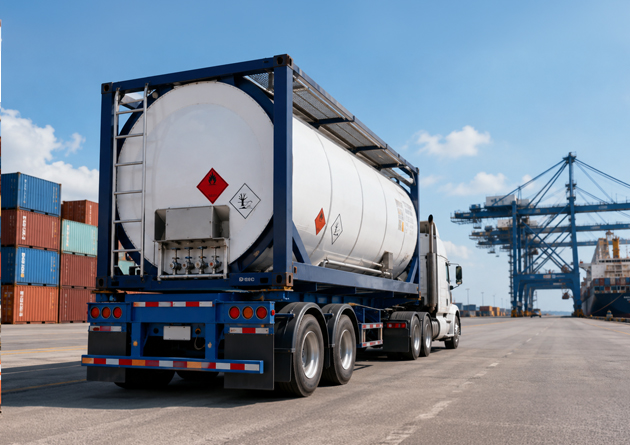
DANGEROUS GOODS LOGISTICS

Dangerous Goods Shipping.
Compliant Before It Moves.

Atlantic Pacific Lines has been IATA DGR-certified and handles dangerous goods for ocean transport across IMDG Classes 2 through 9. Every Dangerous Goods Declaration is reviewed before booking. Destination country compliance is confirmed before departure.
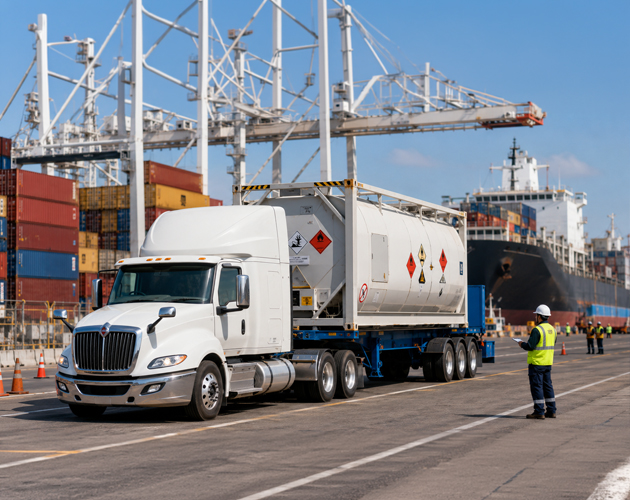
0
IATA DGR Certified
0
IMDG Coverage
0
DGD Reviewed
0
Pre-Dep. Dest. Research
Dangerous goods shipping compliance

IATA

DGR Certified
Dangerous Goods
IMDG Classes 2-9 IATA DGR Lithium Batteries DGD Review Dest. Research DG Insurance IMDG Classes 2-9 IATA DGR Lithium Batteries DGD Review Dest. Research DG Insurance
Dangerous goods shipment compliance review
DG

Compliant Before Cargo Moves

About Dangerous Goods Shipping

Every Declaration Reviewed. Every Destination Confirmed.

Atlantic Pacific Lines reviews every Dangerous Goods Declaration against IMDG Code requirements before booking acceptance and researches destination country import restrictions before vessel departure, not after the vessel has sailed.

  • Dangerous Goods Declaration is reviewed against IMDG Code requirements before every booking
  • IATA DGR certification since 2012, covering general air cargo and air dangerous goods
  • Lithium battery compliance, including state of charge verification and packing instruction review
  • Carrier DG acceptance confirmed in writing for each UN number and trade lane before booking
  • Destination country import restrictions are researched before vessel departure on every DG shipment
IMDG Classes 2-9 IATA DGR Lithium Batteries DGD Review Dest. Research DG Insurance
By the Numbers

The Controls That Define DG Compliance.

APL's dangerous goods process is built around the controls that determine whether your shipment moves or gets rejected at the terminal gate.

Request a Quote Today
0
IATA DGR Certified
Ocean and air dangerous goods
0 Classes
IMDG Classes Handled
Excl. Class 1 and Class 7 standards
0%
DGD Reviewed
Before every booking accepted
Pre-Dep.
Destination Research
Before every vessel departure
Why APL for Dangerous Goods

Six Controls That Keep Hazardous Cargo Moving

Every dangerous goods shipment at Atlantic Pacific Lines passes through all six controls before cargo leaves the origin facility.

DGD Review Before Booking

APL reviews every Dangerous Goods Declaration against IMDG and returns non-compliant documents before booking is accepted.

Lithium Battery Compliance

State of charge verification, correct packing instruction, and quantity-per-package limits are applied to every lithium battery shipment.

Carrier Acceptance in Writing

Atlantic Pacific Lines confirms carrier DG acceptance for your UN number and trade lane before issuing any booking confirmation.

Destination Country Research

Atlantic Pacific Lines researches destination import restrictions for your UN number before booking, not after vessel departure.

Packaging Specification Review

DG packaging is reviewed against UN performance standards before cargo arrives at CFS or CY to prevent terminal-gate rejection.

Chemical, Industrial, Battery, and ITAR-Controlled DG

Atlantic Pacific Lines handles flammables, oxidizers, corrosives, toxic substances, and all four lithium battery UN numbers. ITAR-controlled hazardous materials are managed under APL's active ITAR registration for exporters requiring export license management alongside DG compliance.

Ship Your DG Cargo

Request Your Hazardous Cargo Shipping Plan. Share your UN number, hazard class, origin, and destination with Atlantic Pacific Lines for a compliant DG shipping plan and carrier options.
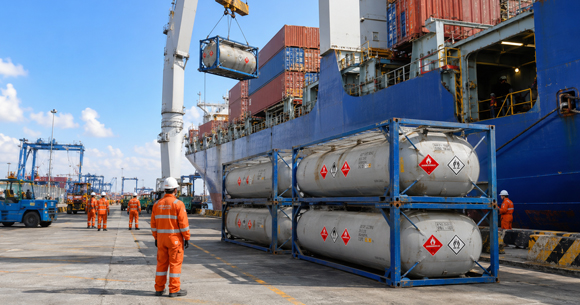
Ship Your DG Cargo

Request Your Hazardous Cargo Shipping Plan

Share your UN number, hazard class, origin, and destination with Atlantic Pacific Lines for a compliant DG shipping plan and carrier options.

No commitment required Response within 24 hours IATA DGR certified forwarder
Smart Solutions, Competitive Pricing, Unmatched Efficiency.
FAQ

Answers to Common Hazardous Cargo Questions

Questions chemical manufacturers, battery exporters, and industrial shippers ask about DG compliance with Atlantic Pacific Lines.

Still have questions?

APL's DG specialists are available to review your commodity, confirm carrier acceptance, and walk through destination country compliance for any UN number.

Talk to a Specialist

What IMDG classes does Atlantic Pacific Lines handle? +
APL handles Classes 2 through 9 including gases, flammable liquids, flammable solids, oxidizers, toxic substances, corrosives, and miscellaneous dangerous goods including all four lithium battery UN numbers. Class 1 explosives and Class 7 radioactive materials are excluded from standard ocean DG forwarding and require separate authorization.
Why does APL review every DG declaration before accepting a booking? +
A non-compliant DG declaration results in carrier rejection or cargo removal at the terminal gate. Incorrect UN numbers, wrong packing groups, missing emergency contacts, or unsigned shipper certifications make a declaration invalid. Atlantic Pacific Lines catches these errors before booking so cargo is not stopped at the port after the truck has already delivered.
What documentation is required for an IMDG dangerous goods shipment? +
Required documents include a Shipper's Declaration for Dangerous Goods compliant with IMDG Code, Material Safety Data Sheet, Packing Certificate, and Container Packing Certificate for shipper-packed containers. Atlantic Pacific Lines reviews all documentation before booking acceptance and manages corrections before cargo moves.
How does APL handle lithium battery shipments for ocean freight? +
APL verifies state of charge documentation, selects the correct packing instruction for the specific UN number, confirms quantity-per-package limits, and reviews marking and labeling against the current IMDG edition before confirming any lithium battery booking.
Why does Atlantic Pacific Lines research destination country DG restrictions before departure? +
IMDG Code governs dangerous goods transport on the vessel but does not override destination country national import regulations. Some countries restrict specific UN numbers that are permissible under IMDG. A shipment detained at a destination port under a national prohibition requires re-export. APL confirms destination restrictions before departure as a standard step in every DG booking.
Can Atlantic Pacific Lines handle ITAR-controlled hazardous cargo? +
Yes. Atlantic Pacific Lines is ITAR-registered and manages export-controlled hazardous materials in coordination with the exporter's compliance officer. Export license requirements are reviewed before departure, and APL does not ship ITAR-controlled commodities without confirming applicable license or license exception documentation.
What is the IMDG Code and how does it apply to ocean dangerous goods? +
The International Maritime Dangerous Goods Code is the international regulatory framework governing the transport of hazardous materials by sea, published by the International Maritime Organization. It classifies dangerous goods into nine hazard classes, assigns UN numbers to specific substances, and prescribes packaging requirements, stowage positions on vessels, segregation rules between incompatible cargo, and documentation standards including the Dangerous Goods Declaration format. The IMDG Code applies to all commercial vessels on international voyages and is updated with each biennial edition. Compliance is mandatory, not optional, and carriers verify IMDG compliance before accepting any dangerous goods booking. Atlantic Pacific Lines reviews every DG shipment against the current IMDG edition before booking confirmation.